· By Greta Halvorsen · 1 min read
What a remodel really costs
Where the money goes in a kitchen, a bathroom and an addition, why a contingency isn't padding, and how to read two estimates side by side.
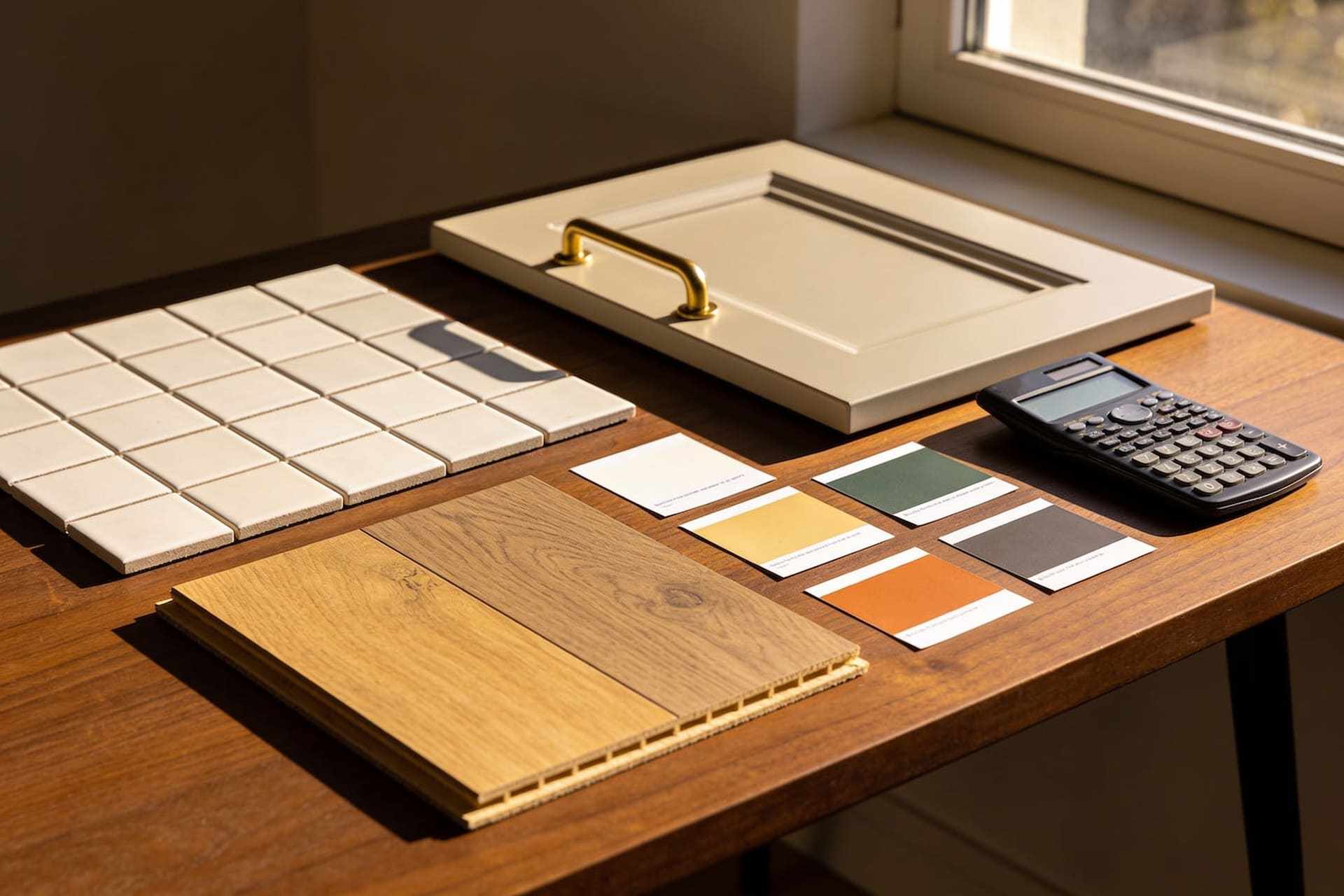
In a kitchen remodel here, roughly a third goes to cabinets and counters, a third to labor, and the rest to everything else: electrical, plumbing, tile, floors, appliances, permits.
Ask what’s in the number
Two estimates can differ by $30,000 and both be honest. Ask each builder for the allowances (what they’ve assumed for tile, fixtures, cabinets), what’s excluded, and who pays for the permit.
The contingency
We carry ten percent on older houses for what’s behind the walls. If we don’t use it, you keep it. It isn’t padding; it’s the difference between a project that stops and one that keeps going.
The cheapest change
Moving nothing. Keeping the sink, range and toilet where they are saves the most money of any decision you’ll make.